It’s not just about putting in the hours
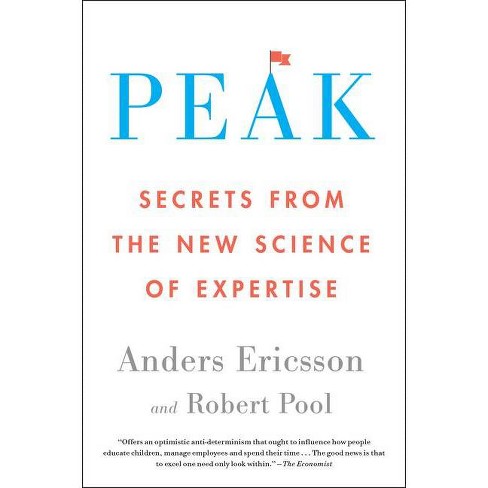
I listened to an audio summary of Peak, and it was better than I expected.
The main idea challenges the famous claim that if you spend 10,000 hours doing something, you’ll eventually become an expert at it.
The book makes a pretty convincing point: repeating something for years doesn’t necessarily mean you’re still improving.
A good example is driving. Most of us have been driving for years, maybe even decades. But after a while, we reach a level where we feel comfortable and can drive without thinking too much about it. We don’t necessarily keep getting better just because we drive every day.
The same can happen with a job or almost any other skill. Once we reach an acceptable level of performance, we tend to settle there. We can keep doing the same thing for another 20 years without making much progress.
That idea stuck with me, because it’s easy to confuse experience with expertise.
What actually makes someone an expert?
One thing the summary talked about was mental representations.
As I understood it, experts develop a much clearer mental picture of their subject. They start recognising patterns, understanding problems, and noticing details that beginners would probably miss. Those representations develop through the right kind of practice, not just through repetition.
The way to move beyond that comfortable level is what the book calls purposeful practice, and, when it’s guided by established expert methods, deliberate practice.
Four things stood out to me:
- Have a specific goal. Don’t just decide to practise for an hour. Know exactly what you’re trying to improve during that hour.
- Give it your full attention. Even one hour of uninterrupted, focused work can be more useful than spending several distracted hours doing something on autopilot.
- Get feedback quickly. You need some way to see what you’re getting wrong, whether you’re improving, and what to change next.
- Keep moving outside your comfort zone. If you only practise the parts you’re already good at, there’s no real reason for your ability to improve. The uncomfortable part is often where the learning happens.
The interesting thing is what happens when you reach a boundary. Instead of continuing to do the same thing, you have to find a different approach. Over time, those little breakthroughs help you build a better understanding of the subject.
Expert coaching makes a difference
Another point I liked was the value of learning from someone who is already an expert.
A good coach can spot mistakes you don’t even realise you’re making, give you useful feedback, and guide you through a better way of practising. You don’t have to spend as much time figuring everything out on your own.
So it’s not just about working harder. It’s about knowing what to work on, and having someone help you see what you’re missing.
It reminded me of another book
This connects nicely to So Good They Can’t Ignore You by Cal Newport, another summary I listened to recently.
One of the ideas I took from that was to accept difficult work that others might avoid, because it pushes you to develop valuable skills. Peak adds something useful to that: simply taking on a hard task isn’t enough. You also have to practise deliberately, get feedback, and keep stretching the boundaries of what you can do.
Together, the two ideas make a lot of sense to me.
Worth keeping?
Yes. This was a decent book, and more useful than I expected from the summary.
It made me think about how often we say we’re practising something when we’re really just repeating it without a clear goal. That’s probably the biggest takeaway for me.
The way I’d sum it up is: mastery isn’t about clocking 10,000 hours. It’s about what you actually do with those hours.
That’s my takeaway rather than a word-for-word quote from the book. And it doesn’t mean a particular number of hours guarantees expertise. It means practising with a purpose matters much more than simply keeping count.
Loading comments…